Etichette

giovedì 18 giugno 2015

Teleport Cowards a new OSR instant adventure spell

The "Teleport Cowards" or "CowardPort" spell is considered a chaotic and criminal spell in almost all known kingdoms. This 4th level spell is a powerful yet seldom cast arcane spell. It is a last resort spell since using it means to lose all equipment and treasure because the spell will teleport only the subjects without even their clothes, in fact teleported subjects will switch clothes (or armor) with innocent and unsuspecting people present within 1 mile of the target destination, the spell will switch with people of the same height, weight and general frame of the teleported subjects.

For example Zaran the Wizard and his one eyed accomplice the fighter Yongar found themselves cornered deep in a dungeon. They block the door of the room in which they barely managed to escape and Zaran with tears in his eyes tell Yongar that they must leave all their ill-gotten belonging here to save their lives, Yongar give a sad nod and put his hand on the shoulder of Zaran (not new to this mean of escape) and waits. Zaran take a dried tongue from his component sack and cast the arcane formula targetting the sprawling metropolis of Creontia (where they have several hideouts and contacts).... ZAP .... after a moment Yongar found himself walking a young lady all dressed in white toward a priest and Zaran is the market square with an unknow person yelling in his face.... at the same moment two puzzled persons find themselves dressed in wizard robe and warrior armor in an unknown room.....

This nefarious spell is notorious to have trasported group of happy city dwellers in the most dangerous part of dungeons or other unsafe place sometimes while under siege of powerful or numerous monsters.


Teleport Cowards
Arcane Transmutation/Alteration

Level:  Magic user 4th
Range:  Touch
Duration:  Instantaneous
Area of Effect: Caster + another M sized creature each 3 levels
Components: V, S, M (the tongue of a dead because sentenced to death liar, perjurer or vow-breaker)
Casting Time: 3 segments
Saving Throw: None (see below)

The Teleport Cowards spell instantly transports you to a designated destination, which may be as distant as 100 miles per caster level. Interplanar travel is not possible, and at the same times transports the same number type and size of creatures to your standing location. You cannot bring along objects, in fact you will also switch clothes (the incoming character will be equipped with your clothes, weapons, armor while you will be equipped with their clothes, weapons and whatever). You may also bring one additional willing Medium or smaller creature or its equivalent per three caster levels. A Large creature counts as two Medium creatures, a Huge creature counts as four Medium creatures, and so forth. All creatures to be transported must be in contact with one another, and at least one of those creatures must be in contact with you. You and other willing target don't make a saving throw BUT who is to be transported in your location make a Saving Throw to evade the spell. The spell work only if the exact number of creature of the specified size will fail the ST (if there are more creature of that size the spell has greater chance of success, see table below).

The GameMaster will decide who will switch place with the characters, thus the GameMaster can use this spell to let a new party start an adventure in the middle of nowhere (or in the deep of a dungeon) with some equipment and treasure (if he want, the caster and his party of cut-throats could hide equipment and treasure before teleporting). Notice also that the caster and his companion will appear in the clothes and equipment of the switched creatures.


Population density All teleported Mage and half teleported* Mage only** Mishap***
Very high (metropolis) 01–97 98–99 100
high (city) 01–94 95–97 98–99 100
average (small town) 01–88 89–94 95–98 99–100
sparse (hamlet) 01–76 77–88 89–96 97–100
deserted (wild area) 81–92 93–100

* The caster and half of the other creature (nearest to caster) are teleported
** Only the caster is teleported
*** each of the intended target take 1d6 damage per caster level

sabato 2 maggio 2015

Beyond Vance, a magic system

This is a variant magic system for old school games (like Dungeons & Dragons, Advanced Dungeons & Dragons, Adventurer Conqueror King System, Sword & Wizardry, Fantastic Heroes & Witchery, Basic Fantasy RPG, OSRIC, Blood & Treasure, Ambition & Avarice, Iron Falcon and so many others) and more or less any game who use a fire and forget or spell slot system. Most important for me this will be the magic system of my retro-clone project Castles & Chimeras.

A variation of sorcery

The nucleus of this system is similar to the sorcerer rules of the d20 OSR or the magic system of Adventurer Conqueror King System and D&D 5th edition, in brief each spell-caster has a reserve of stored Magical Energy Slots that can be used to cast Ready Spells. The number of Magical Energy Slots and of Ready Spell is dependent by the Spell-Caster level, for number of spells consult "Energy Slots Table", or your normal memorization table (ready spells are 2 more of the slots usable).

Energy Slots Table

Differently from other system Ready Spells can be changed with time, money and effort (1 day per spell level + 100 gp per spell level to be consumed in spell preparation if the spell book is at hand, otherwise the time is 1 week * spell level and 1000 gp per spell level, somehow similar to the egregious Adventurer Conqueror King System), once readied spells stay readied unless something bad happen to the spell-caster (death and resurrection, head trauma, brought to 0hp with head injuries and the like), in which case for each spell the spell caster must make a saving throw or lose the spell that will have to be readied again.

The biggest difference with other systems is the way Magical Energy Slots are recovered, the idea is that like in spell point system as time passes spell slots slowly recharge, the time can be counted only from the last time a spell was used (even a lowly cantrip), so spell-caster should try to not use magic when is not necessary (unless they don't need to recover higher level spells); this method will give spell-caster almost always a little number of cantrips and low level spells energy slots during the day but they will need to rest and don't use magic to recover high level spell slots, this is a mix of OSRIC/AD&D 1st time to memorize spells and more recent games that with 1 night of sleep give back all energy slots to a spell-caster, for times consult "Energy Slots Recovery Table".


Energy Slots Recovery Table

Another difference is the presence of 0th level spells that works like other spells (they have not infinite uses and which cantrip are Ready can be changed as with spells), this is more similar to the original idea of cantrips, you can ready a cantrip in 1h and 10 gp if you have a spell book at hand, double that w/out a spell book.

This variations can be freely adopted in any old school game.

So for example a 1st level Mage will be able to ready 5 cantrips and 3 1st level spells and he will have 3 0th and 1 1st level energy slots. If he don't cast any spell for 15' minutes he will recover 2 cantrips energy slots, after 30' 3 cantrips and 1 1st level energy slots, after 1h 3 cantrip and 2 1st but since he only have 1 1st level it can use the 2nd 1st level to recover another cantrip.


It's a kind of magic

Another particularity of the Castles & Chimeras magic system is that there is only one kind of full spell-caster, but he must chose which kind of magic he will use:

White magic: good at protection, banishment, destroyng undead, healing, recovery, strenghtening, divination, resurrection (cleric spell list revised with additions)
Elemental/Gray magic: good at elemental manipulation, transformation (mage spell list revised with additions)

Black magic: summoning, death and decay, poisoning, cursing (must be selected but the idea is clear)
Nature magic:  druid spell list revised with additions (weather control, earthquakes, animal friend/speak, tree control and so on; some polymorphing - mostly animals, some regeneration, reincarnation)
Body Magic: polymorphing, regeneration (different kind of healing, see the Occult Physician on this blog)
Prismatic magic: illusions, shadows (illusionist spell list revised with additions)
Others: (Charm, Mind, Ki.......)

there is some overlapping but each kind of magic is way better in its area of specialization, other kind of effect are usable but only as higher level spells (such as +1 to +3 level for the same effect).


thus each spell-caster will need books to quickly change its readied spells and will have limits on the number of spells she can know, furthermore each kind of magic will give to the caster specific ability and organizations (to be further developed).

A game with a similar approach, no divine magic with spells, is the excellent Fantastic Heroes & Witchery.


sabato 25 aprile 2015

Adventurer Conqueror King or Diocletian Dungeons & Dragons

Autarch has launched a new kickstarter to fund the pubblication of an introductory adventure "The sinister stone of Sakkara".

This adventure is inspired to the old B2 module "The keep on the borderland" but with various twist (and obviously all new dungeons, wilderness and setting).

One of the most interesting things is that this adventure is the first publication by Autarch that begin to present the implied setting of the game, the Auran empire.

The Auran empire while only hinted in the game is a departure from your medieval fantasy of crusades and witches indeed the setting is firmly grounded in the late roman empire era and the years after the fall of the western empire, say from 250 to 750 CE (or if you prefer from 1000 to 1750 Ab Urbe condita).

The project is already funded but you can still jump in, what the kickstarter offer is also the possibility to take the full "Adventurer Conqueror King" package.


Why should you get in?

1) The adventure is really interesting and a good starting point for most campaing
2) The setting is very original and detailed, but in a "show and tell" way (statues, temples, banquets, snippets of philosophy and the like)
3) Autarch delivers top-notch quality games and products

What makes Adventurer Conqueror King different from other OSR tribute games and why Diocletian would have played ACKS instead of vanilla D&D?

One of the selling point of the ACK System is the coherence of the economic system, the system really helps you to model the economy of the setting so your character will have different things to do at high levels, indeed high level characters (notice that maximum level in this game is 14th level for humans and 8th to 13th level for non-humans) will have the possibility to run their realms be it a little barony or a sprawling empire.

The tables and rules for markets and price would have made Diocletian (one of the great emperors of the late roman empire a great militar and civil leader),  happy and simplified his Edict on Maximum Prices, this attention to detail is diffused in every aspect of the game to make it really robust and worthy.

Another product from Autarch tie this economic robustness into the art of war, in fact the Domains @ War will make possible to simulate skirmish or great battles but everything will tie seamlessy with the economic system of the standard game, and with the magical and special powers of characters.

So what I get in the two books that I don't have from other clones?

From the Adventurer Conqueror King System book
1) the mentioned economic and domain system
2) a different magical system
2.1) characters have a repertoire of spell from which can cast the usual number of daily spells
2.2) high level spells (7th, 8th and 9th for arcane, and 6th and 7th for divine) can be cast only as rituals
3) a proficiency system that helps to spice up characters without being overly cumbersome
4) a Death and Dismemberment table (here called Mortal Wounds Table), this means that when a character goes to 0 or lower hp is out of combat and as soon as someone help him with mundane or magical rule the exact fate of the character will be decided with a roll on this table (so the character can be saved but it will be wounded most of the time)
5) a Tampering with death table, if your character dies and than is brought back he can get traumathized
6) the usual character (but with interesting twists) like Fighter, Mage, Cleric and Thief (for example there is the reaper rule, if your character kill an enemy can immediately make another attack, and this can be done again and again for fighter up to their level add to this that fighter get +1 to damage each 3 level and against lesser foes they can be truly terrible)
7) campaign classes: Assasin, Bard, Bladedancer (a sort of unarmored cleric) and Explorer (non magical ranger)
8) demihuman classes: Dwarven Vaultguard (classical dwarf), Dwarven Craftpriest (dwarf priest), Elven Spellsword (classical elven fighter-mage), Elven Nightblade (assassin with magic spells)re
9) templates (this are ready to go adventurer with skills and gear)

no there is no halfling or hobbit or whatever

you also get information on how to run domains, monster and a lot of nice touch

From the Player's Companion book

1) A lot of new classes both for humans (Anti-Paladin, Barbarian, Mystic, Paladin, Priestess, Shaman, Venturer, Warlock, Witch) and non-humans (Dwarven Delver, Dwarven Fury, Dwarven machinist, Elven Courtier, Elven Enchanter, Elven Ranger, Gnomish Trickster, Nobiran Wonderworker, Thrassian Gladiator, Zaharan Ruinguard)
2) Character class templates
an expansion on the concept of templates with more template for the classes in the ACKS book
3) Custom class rules
a wonderful chapter that help to create classes in line with the ones presented
4) Spells
new spells but more interesting hyper detailed rules on spell research, labs and more
5) various rules and other miscellaneous tools for the Game Master


  The Autarch web


Conclusion
Get a great product, and if you don't know this game get a great game at discount from the various contributor levels, help Autarch to get in print something on the Auran setting!

Here a map of the Auran Empire, I love maps with a central sea like our Mediterranean sea


giovedì 9 aprile 2015

Morte & Mutilazione un nuovo significato ai Punti Ferita

E' dalla prima lettura di Warhammer Fantasy Role-Play nel lontano 1987 che ho voglia d'implementare l'idea che i Punti Ferita valgono fino a 0 e poi si tira su qualche tabella per stabilire le ferite vere e proprie. Purtroppo nelle tante sperimentazioni fatte in questi anni per un motivo o per l'altro ho sempre rimandato, se non usando le fin troppo complesse regole di ACKS (Adventurer Conqueror King System) un retroclone che riprende il sistema di regole basic/expert con alcune modifiche (sistema magico stregonesco tra le altre).

Di recente avevo cominciato a pensarci di nuovo e cercando in rete mi sono imbattuto nel blog Death & Dismemberement e mi sono rallegrato nel vedere che l'idea era stata già ampiamente trattata con tante considerazioni e varianti, in particolare per moltissime varianti un articolo dello stesso blog On Death & Dismemberment Tables. E non posso non citare la tabella elaborata dall'autore del blog The One Death & Dismemberment Table to Rule Them All (molto interessante e applicabile anche alla 5a edizione ma forse un po' troppo elaborata).

Questa ricchezza di contenuti mi ha aiutato a capire cosa volevo esattamente da una tabella di questo genere e che tipo di gioco, o filosofia di gioco, supporta questo tipo di tabella.

E sopratutto a confermare che è quello che voglio nel mio retro-clone (più di un eventuale punteggio di Ferite da affiancare ai Punti Ferita, per me Punti Danno).

Eliminare i Punti Ferita negativi e la morte automatica a 0PF o meno come in molti giochi OSR e invece tirare su una tabella di Morte e Mutilazione quando si arriva a 0 PF (e ogni volta che si subisce un colpo quando si è a 0 PF) serve a due scopi principali:
1) rendere meno binaria la condizione dei personaggi (in salute/morto), e quindi introducendo ferite permanenti e mutilazioni si dà maggior possibilità di sopravvivere ai personaggi senza per questo togliere pericolo ai combattimenti)
2) sottolineare la natura astratta dei Punti Ferita e anzi il loro essere sostanzialmente Punti Difesa (Adrenalina, resistenza, abilità mondana o magica, fortuna)

Questo comporta che i PD/PF si possono recuperare molto più velocemente rispetto allo standard delle prime edizioni. Può essere cioè accettabile un recupero completo dopo una notte di riposo, 1/8 del massimo dei PF dopo un riposo momentaneo (10' per recuperare il fiato), 1/4 del massimo degli PF 
dopo un riposo breve (1h di riposo), tutti i PF dopo un riposo lungo (1 notte di sonno, 8h). Questo se non si sono subite ferite, nel qual caso le cose si complicano.

Andiamo dunque a vedere la tabella di Morte e Mutilazione che intendiamo cominciare ad utilizzare, ci ispiriamo maggiormente alla tabella originale di Robert Fischer che modifichiamo nel dado usato (1d12 invece di 2d6) per ora restano gli effetti, inoltre si tira 1d12 per ogni 10 punti di danno o frazione subiti e si prende il risultato più basso:
Risultato d12
effetto
1
   morte istantanea (decapitazione o altra ferita devastante ecc)   
2
   ferita fatale (sventrato, perforazione organo vitale ecc, morte in 1d12+3 rounds   
3
   amputazione di arto (gamba, braccio) morte in 2d12+4 rounds a meno di cura ferite serie o intervento chirurgico
4
   costole rotte impossibile muoversi (1d12+10 settimane per guarire)
5
osso di arto frantumato (1d12+10 settimane per guarire) ma non guarirà mai del tutto salvo magia
6
amputazione mano/piede (morte in 3d12+6 rounds a meno di cura ferite gravi o intervento medico)
7
perdita di occhio/orecchio (sfigurato)
8
osso di arto rotto (1d12+8 settimane per guarire)
9
ferita moderata (cicatrice) 3d12 giorni per guarire
10
ferita leggere 2d12 giorni per guarire
11
svenuto
12
stordito

Si osservi che le magie curative accelerano la guarigione per ogni livello d'incantesimo al giorno si guarisce di quel numero di giorni (si considera livello più alto di magia curativa), Quando si sta in convalescenza per una ferita così grave non si possono recuperare hp oltre 1 e non si possono svolgere attività faticose. Quando si subiscono queste ferite così gravi si è in stato di shock e non si possono svolgere azioni se non con un tiro salvezza su costituzione (contro morte).

venerdì 3 aprile 2015

Invisible reflections and 2 new OSR spell


During the years I had lots of discussions on invisibility spells as presented in the AD&D 1st edition game (and also 2nd edition and by extension the OSRIC clone).

The first observation is that invisibility spells are of the Illusion/Phantasm type, where illusion magic create an image (usually with 3 dimensions) in the real world that can be seen by normal means (that is the image of a tree will be seen as a tree by all the onlookers) while Phantasm spell are hallucination in the mind of the spell victim.

My conclusion are that invisibility spells are to be considered of the Illusion type since they don't have area limits and the invisible creature will not be visible to everyone looking at him (less of "see the invisible", "true vision" and the like), even someone looking from far away with a crystal ball will not see the invisible character.

So it must be an illusion spell since it is just 2nd level and it cannot be so powerful to create a phantasm in the mind of everyone looking at the character location (this could be thousands of people if the character were walking on a tower in the middle of a siege). It must be a sort of hologram that give the character perfect blending with his surroundings.

There are many other ways to become invisible, like to be shifted out of reality maybe in some shadowy plane, like happened to Frodo when he donned the One Ring, or how it happens in Crypts and Things where invisibility shift the caster in The Shroud the plane of the "others" making invisibility a black magic spell and putting the sanity of the invisibility subject at risk (but I think this make the invisibility spell a little too much for a 2nd level spell).

But the usual 2nd level spell should just surround you in an illusion capable of cloaking yourself, by the way this means that throwing flour or chalk to the invisible character don't make him covered in flour (since what you pick up become invisible, as specified in many OSR games like the Basic Fantasy RPG) but help his enemy by making visible his footprints on the flour covered floor.

I'll end this article with two new "invisibility" spells:

Cloak of the chameleon

Arcane 
Illusion/Phantasm
Level: Mage 2nd, Illusionist 1st
Range: Touch
Duration: 10'/level
Area of effect: One Creature
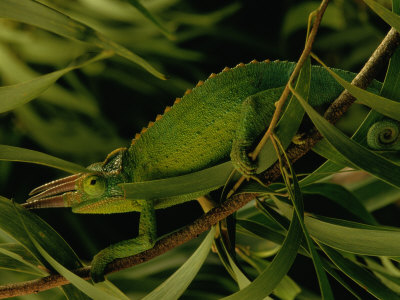
Components: V, S, M (a bit of powdered chameleon skin)
Casting time: 3 segments
Saving Throw: None

This spell make the subject totally invisible if he stay still, if he move, attacks or cast spells he become visible again but the spell is not broken. If the subject of the spell becomes still again - and the spell is still in effect - it will turn invisible after 2 rounds.


Faerie Tapestry

Arcane 
Illusion/Phantasm
Level: Mage 4th, Illusionist 3rd
Range: Touch
Duration: 10'/level
Area of effect: A square area with sides of (100' + (10' * Caster Level))
Components: V, S, M (a small tapestry woven by faeries worth around 100gp)
Casting time: 10'
Saving Throw: None

This spell affects an area, when the spell is cast the caster will designate who will become invisible by the spell beyond himself (up to 1 humanoid * caster level, this number must include the caster). All the subject of this spell, until the end of the spell, when are in the spell area and take an invisible stance (don't make attacks, cast spells, speak to who cannot see them) are invisible except to the other subject of this spell. If they break the invisible stance they can become again invisible if the hide from view (going behind a wall or a tree). Notice that multiple casting of this spell from different casters or on different group of people makes for a very fun and confusing situation.

Note: this is the english version of a the Riflessi Invisibili blogpost

giovedì 26 marzo 2015

Crypts and Things Remastered KICKstarter SUCCESSFULLY funded!!!!


The image for the Crypts and Things Remastered kickstarter

The original Crypts & Things was a shining example of what can be done with the OSR, a great way to play Sword and Sorcery stories (like the ones of Conan, Fafhrd and Grey Mouser novels). The remastered version looks even better...

So the kickstarter is still going on and you can pledge to get your preferred rewards (and help the project to unlock some stretch goals), and immediate access to the pdf of the new ruleset.

The Kickstarter for Crypts and Things Remastered is here: https://www.kickstarter.com/projects/645319106/crypts-and-things-remastered

This is a grim land of dark magick and eerie dangers.

What are the differences from the "original" game? Quite a lot:
+ no saving throws, but a luck score that can help to get out of sorcerous ways
+ hit points are just stamina and fatigue, than damage will cut down constitution
+ a simple skill system
+ a simple background system
+ few martial classes: Barbarian, Fighter, Thief
+ Only one magical class: Sorcerer

yes there are no Clerics, Magic Users or bards.... and the magic system is fire and forget (don't be fooled by the name of the magic using class) BUT (yes there is a big but) while the sorcerer can learn every spell they are divided in three kind of magic (white, gray and black)

in the first edition of Crypts and Things to learn and cast spell there was a cost linked to the color of magic, this cost are still different but more interesting in the remastered edition

Crypts and Things cost of magic
White: no cost
Gray: 2hp * level of spell cast
Black: to memorize a black magic spell sacrifice a sentient being or get spell-level costitution damage AND when you cast it you must make a saving throw or lose sanity...

Crypts and Things Remastered cost of magic:
White: % of getting hunted by undead and "others"
Gray: nothing
Black: corruption (ever growing)

I find the second table much more interesting than the previous one.


The kickstarter was successfully funded, and since it reached 9206£ a lot of stretch goals were met, here the new classes:

Disciple: a sword and sorcery take on the Monk!

Elementalist: a new type of magic user molded after the prince of Melnimbone
Lizard People: first race as class of C&T, noble and ancient race of strong fighter with mystical powers
Beast Hybrid: second race as class of C&T, some sort of corrupted shape shifter
Serpent Noble: third race as class, natural users of black magic...


martedì 17 febbraio 2015

Panoramica GdR italiani vecchia scuola OSR d20 RPG GdR

Questo post raccoglie alcuni miei post fatti per il forum The Roaring Old School nel thread "Elenco retro cloni italiani" cui ho aggiunto anche i cloni in italiano (prometto che a breve metto a posto i link in questo post e vi aggiungo qualche immagine), alcuni di questi giochi sono già stati affrontati nel blog e tutti meritano un post a parte di maggior dettaglio, ma penso che un post riassuntivo sia utile e spezzi il lungo silenzio in cui questo blog a volte cade.


Antiche Leggende

retro-clone (o meglio meta-clone) interamente italiano, disponibile gratuitamente in pdf (anche un'avventura gratis), o a pagamento in formato cartaceo, tramite LULU, altre informazioni sono disponibili sul blog dell'autore:

Antiche Leggende

Vetrina su Lulu

Alcune differenze rispetto al gioco classico:

caratteristiche = modificatore di caratteristica
punti magia per i maghi (i clerici restano fire and forget) + healing giornaliero pari ai propri hp
classe armatura dipendente da classe e livello
hp mostri fissi (8xdado vita)
allineamento Buono/Neutrale/Malvagio (invece del classico Legale/Neutrale/Caotico)
5 abilità molto generiche (ottimo!)
armature che riducono i danni (perché fare la 2/4 invece di una 3?)
alcune sottoclassi interessanti (mistico, mago-guerriero, assassino)
due razze atipiche (felidi e dragonidi)
XP in base agli obiettivi raggiunti
un singolo tiro salvezza (stile Swords & Wizardry)

Recensione completa su questo blog: Antiche Leggende un GdR OSR tutto italiano


Labyrinth Lord
Prodotti commerciali di Tiptale in stampa su LULU: Labyrinth Lord e Signori di Zargo

Labyrinth Lord - Il Signore dei Labirinti

Clone del D&D B/X e delle prime scatole dei manuali tradotti in Italia dall'Editrice Giochi

La versione in pdf gratuita (ma senza disegni) si può scaricare direttamente da DriveThru RPG qui: https://www.drivethrurpg.com/en/product/68889/labyrinth-lord-italian-version-no-art

La versione in pdf a pagamento (completa di disegni a 4,71€) si può acquistare qui: https://www.drivethrurpg.com/en/product/68888/labyrinth-lord-italian-version


Edizione Avanzata

Con questo supplemento si fa un mix tra le regole base e le opzioni dei personaggi dell'Advanced D&D 1a edizione (per cui personaggi multiclasse e l'aggiunta di paladini, ranger, monaci, assassini, druidi, illusionisti

in entrambi i casi i livelli arrivano al 20' per le classi senza limiti di livello

La versione in pdf gratuita (ma senza disegni) si può scaricare direttamente da DriveThru RPG qui: https://www.drivethrurpg.com/en/product/87957/advanced-edition-companion-labyrinth-lord-italian-no-art

La versione in pdf a pagamento (completa di disegni a 5,66€) si può acquistare qui: https://www.drivethrurpg.com/en/product/87958/advanced-edition-companion-labyrinth-lord-italian

La versione in stampa a pagamento completa dei disegni da LULU qui: https://www.lulu.com/shop/dan-proctor/labyrinth-lord-edizione-avanzata/paperback/product-1rgr572j.html


Marca dell'Est 

editore: redglove
prezzo: 30$
disponibile
tipo: scatola

Regolamento equivalente a quello scatola rossa e blu (Basic+Expert; NdFMP quelle della BECMI pubblicate in Italia da EG) con l'aggiunta di Ranger e Paladino e regole fino al 20' livello

Contenuto della Scatola: 1 Manuale d'Avventura, 7 Dadi (1d20, 1d12, 2d10, 1d8, 1d6, 1d4), 1 Schermo del Master, 1 Blocco Schede del Personaggio (50).

purtroppo il gioco non è più supportato e le promesse espansioni non sono mai state rese disponibili.

Recensione completa su questo blog: La Marca Dell'Est recensione


BASIC Fantasy RPG

Home Page del progetto: http://www.basicfantasy.org/index.html

Downloads: http://www.basicfantasy.org/downloads.html

sul sito è disponibile la traduzione in italiano dell'intero gioco r75, c'è solo un piccolo errore d'impaginazione ma stante la natura open del gioco chiunque si può applicare per migliorare il tutto

il gioco è su licenza open per cui è una comunità in crescita e autonoma, il gioco propone un esperienza di gioco a metà tra d&d base e advanced (classi e razze sono separate ma nel manuale base le classi sono solo le 4 base e il multiclasse è solo il mago-guerriero) tutte le classi possono arrivare al 20' livello

assolutamente una buona alternativa ora interamente in italiano

Recensione completa (in italiano) su questo blog: Basic Fantasy Role Playing Blog Appreciation Day


L'Era di Zargo

costruito sul regolamento di Labyrinth Lord (dallo stesso team che ha tradotto LL) e basato su un mondo creato per un antico gioco da tavola della International Team (casa editrice italiana degli anni 80... i tipi di VII Legio e Mysticon per capirci) il famoso Zargo's Lord

qui nel blog di Terre Tormentate tutti i link utili: Era di Zargo

il gioco è disponibile su amazon e lulu :)

è effettivamente un classico con alcune novità (oltre a razze e classi su cui per ora non mi dilungo).

Prime Impressioni

Razze:
a) mostruose (alati, aracnoidi, dragonidi): +0% xp, +1 caratteristiche, poteri vari
b) semiumani (elfi, nani e MINITIPI :) ): +5% xp, +1 a 2 caratteristiche, poteri tipici, multiclasse (old style)
c) umani (4 sottorazze): +10% xp, +1 a 3 caratteristiche

magia: classico "lancia e dimentica" (però vedi Punti Destino)

Punti Destino: 2 al 1' livello fino ad un max di 5 (solo personaggi) puoi fare un tiro destino per qualsiasi dado d20 usato (il tiro destino è un d6 con i simboli di zargo: 1=vuoto, 2-4=fiamma, 5-6=mano eterna), gli incantatori possono usare i punti destino per tentare di improvvisare un incantesimo (tiro salvezza) e altre classi per avere usi aggiuntivi dei poteri di classe. NOTA: i Punti Destino sono una risorsa giornaliera, dopo il riposo notturno tornano alla dotazione data dal livello.

classe armatura ascendente, bonus per colpire e di competenza in base al livello

tiri salvezza basati sulle caratteristiche con bonus unico di competenza e bonus razziali e di classe per situazioni specifiche

incantesimi (fino al 7' livello), classi fino al 15', mostri, attrezzatura, oggetti magici

storia del mondo, uno scenario completo

CONCLUSIONE

Ottimo, quello che dovrebbe essere un retro-clone! Un classico rivisitato con piccole gemme e particolarità. In poco più di 300 pagine un gioco più che completo con elementi di originalità e un richiamo ad un classico da tavola italiano.

dal sito del 5' clone: [URL=http://www.5clone.com/zargo]www.5clone.com/zargo[/URL]

L'era di Zargo

Al principio, erano solo i Cavalieri a dominare il mondo di Zargo. Nell'arco di secoli, grazie alla loro forza, avevano costruito castelli sui quattro continenti, soggiogando tutti gli umani, d'accordo con i Maghi, depositari dell'arte delle visioni e della conoscenza. Ma poi, da mondi strani e lontani, giunsero altri popoli, con poteri diversi e terribili, che a poco a poco strapparono ai Cavalieri non solo terre da sfruttare e su cui edificare le loro città, ma anche masse di umani, trasformati a loro immagine. Si arrivò così a quella che negli annali di Zargo viene chiamata la Guerra dei Signori. Nell'arco di un anno, tra alleanze allacciate e subito tradite, liberando forze e poteri straordinari, scontri inauditi incendiarono tutto il pianeta, in una lotta senza quartiere, dove vincere significava gloria e potere, perdere significava estinguersi.

Sono passati 500 anni dalla Guerra dei Signori. Ai grandi conflitti che hanno devastato Zargo è seguito un periodo di pace duratura, l’Epoca dei Patti. Ma nella fredda Landa Brumosa, teatro di un ultimo tremendo conflitto tra l’armata dei Sette Devoti e l’ultimo Signore dei Venti, i demoni sopravvissuti alla sconfitta del Caos stanno uscendo dai loro nascondigli, provocando incidenti sulle coste settentrionali della Corona Litica e spingendo mostri all’assalto della civiltà in luoghi inaspettati. Riusciranno i popoli di Zargo a fermare questa minaccia prima che una nuova guerra globale devasti il loro mondo?

Il gioco di ruolo di Zargo’s Lords

Dallo stesso team che ha portato in Italia Labyrinth Lord, un libro per celebrare i 40 anni del gioco di ruolo fantasy e i 35 anni di Zargo’s Lords.

Una riscrittura completa del regolamento tradizionale del gioco di ruolo fantasy, modernizzato e razionalizzato quanto basta. Se ti piacciono i regolamenti immediati, L’Era di Zargo fa per te!
Personaggi caratteristici di Zargo (alati, dragoni...) e classici (elfi, nani...). Scegli tra diverse combinazioni di 7 razze e 13 classi, inclusi Cavalieri, Felinomorfi, Amazzoni e Monaci!
Un bestiario di più di 250 mostri, che comprende le creature apparse in Zargo’s Lords, Zargo’s Lords 2 e Blue Stones.
Una particolare meccanica per avere successo al momento giusto. Usa i punti destino per salvare la situazione in un momento difficile o fare un colpo critico quando serve!
Un resoconto della geografia, della storia e delle leggende di Zargo, con un’avventura introduttiva nelle rovine di Nuddos-Kah. Scopri il mondo finora solo immaginato dalle migliaia di giocatori dell’epico board game!
Materiale pubblicato sotto OGL (Open Gaming License), ampiamente compatibile con avventure e supplementi del gioco di ruolo della vecchia scuola.
Scritto da Tito Leati, Emiliano Marchetti e Roberto Pecoraro. Illustrato da Marco Alfaroli, Niki Pancaldi e Luca Pastore. Progetto grafico di Susanna Ruffato. Ispirato ai giochi da tavolo di Marco Donadoni


VENTI FRONTIERE

allora i file sono disponibili su DragonsLair

Venti Frontiere: http://www.dragonslair.it/forum/downloads.php?do=file&id=89

Le Venti Frontiere dell'Alfeimur (ambientazione): http://www.dragonslair.it/forum/downloads.php?do=file&id=92

La tomba di Bereniar: http://www.dragonslair.it/forum/downloads.php?do=file&id=90

alcuni file disponibili anche su GdrZine

Venti Frontiere: http://www.gdrzine.com/2013/04/24/venti-frontiere-il-manuale-introduttivo-su-gdritalia/

Recensione dell'Alfeimur: http://www.gdrzine.com/2013/07/24/dd-alfeimur-questa-non-e-unambientazione-per-nuovi/

prodotti a pagamento su drivethru: http://rpg.drivethrustuff.com/browse/pub/5533/LA-Media

COMMENTI

Allora la versione introduttiva è molto semplice ma si richiama in parte alla 4a edizione (con poteri a incontro, poteri a volontà e rituali) per la magia, l'introduzione all'ambientazione aggiunge alcuni poteri. Da quello che capisco invece la versione a pagamento è un ambientazione per pathfinder/3.5 ovvero per la 3.x magari in futuro vedo se è il caso di prenderla o meno la recensione su gdrzine è positiva


NEXT

clone italiano di D&D 5a edizione, un lavoro davvero pregevole che vista la non traduzione del gioco in italiano consente a tutti gli appassionati di apprezzare questo gioco moderno che fa più di un richiamo alla vecchia scuola, il gioco lo trovate nella pagina di editori folli di Michele Bonelli di Salci

http://www.editorifolli.it/rules/next/

in breve: il sistema si riconosce come D&D ha una grande ricchezza di opzioni (tante razze, classi e formazione), la differenza più grande dai classici è il sistema magico basato su una variante del sistema degli stregoni della 3.x, in pratica ogni personaggio capace di lanciare incantesimi ha degli slot d'uso e o conosce alcuni incantesimi che può cambiare solo al cambio di livello (bardo, stregone, ranger, cavaliere arcano, truffatore arcano, fattuchiere) oppure ha degli slot d'uso e può preparare gli incantesimi ogni mattina (paladino, chierico, mago, druido) mantenendo così in qualche modo la differenziazione tra incantatori istintivi e incantatori studiosi, in genere gli istintivi pagano la minor versatilità con poteri e capacità aggiuntivi; altre differenze sono nella gestione di tiri salvezza (ora tutti basati sulle caratteristiche) e delle abilità... i talenti sono opzionali e sostitutivi dell'incremento di caratteristica... nel complesso un gioco molto riuscito e altamente retro-compatibile con le precedenti edizioni e tutto il materiale accumulato in passato


Eternal Set

Un altro italico retro-clone basato sul D&D più famoso d'Italia (il BECM dell'Editrice Giochi più i vari atlanti), questo retroclone (al momento alla versione 0.0.31... un work in progress quindi) riorganizza e rielabora tutte le informazioni disponibili in quei manuali presentando soluzioni originali per alcune aporie presenti nei vari manuali).

L'autore è un traduttore SRD 3.0 e innumerevoli manuali pubblicati dalla 25th edition) ed editore (Editori FolliFading SunsLupo Solitario) conosciuto, ovvero Michele Bonelli di Salci grande appassionato di gdr, la bozza attuale la trovate qui: D&D Eternal Set

Dark & Dangerous gdr

Retroclone italiano, a pagamento, basato su Labyrinth Lord con alcune modifiche ispirate a DCC (il sistema magico riprende parzialmente quello di DCC pur lasciando tutti gli incantesimi presenti in LL, c'è il metodo di generazione PULP del personaggio che è uguale al funnel di DCC), le classi avanzano fino al 20' livello.

Esistono 3 versioni una in pdf, una con copertina rigida ed una versione master sempre con copertina rigida che ha 330 pagine (ma l'indice in anteprima è uguale alle altre edizioni, presumibilmente ci sono anche i mostri). Se qualcuno conosce l'autore Antonino Amato sarebbe bello contattarlo.

Elenco delle differenze (basate su lettura rapida del pdf da 5 euro + iva!!!):
+Considerazioni iniziali su alcune idee dell'autore (simpatiche :))
+Metodo pulp creazione personaggio (uguale a quella di Dungeon Crawl Classic per personaggi di 0 livello)
+Razza come classe
+Classi: chierico, mago, ladro (opzionale), guerriero, elfo, nano, halfling
+Classi aggiuntive: Mezz'Orco
+Limiti di livello: la progressione di nano, halfling e mezz'orco è 12, 8 e 9 quella dell'elfo arriva a 20 (forse un ripensamento in corso d'opera?
+Classi Varianti
++Chierico: sistema magico ispirato fortemente a quello di DCC seppur in parte semplificato ed ammorbidito, ha anche il tiro per curare in base alla differenza di allineamento (meno drammatica di DCC)
++Mago: sistema magico ispirato fortemente a quello di DCC anche qui ammorbidito e senza infinite tabelle per ogni incantesimo lasciando tutto nelle mani del Master per gli effetti particolari dei critici o dei fallimenti, ci sono però le tabelle della corruzione, solo OPZIONALMENTE può sacrificare Cos o For per utilizzare incanti inoperabili o potenziarli
++Elfo: sistema molto simile a quello di DCC con l'aggiunta di praticamente tutte le spell del druido (di fatto l'elfo ha una buona parte delle spell di mago più quelle di druido), ha un'abilità che gli consente di attingere alle forze primordiali sacrificando cos per riutilizzare incantesimi non più accessibili
++Ladro: standard è opzionale perché si sottolinea che tutti possono tentare le abilità di ladro ma in modo "non-professionale"

si noti che come in DCC Elfo e Mago hanno accesso ad un numero limitato d'incantesimi in base al livello ma la lista d'incantesimi a differenza di DCC è lunghissima penso che questo crei qualche piccolo problema

+FERITE E MORTE: a 0pf si è svenuti a -5pf si è morti

+INCANTESIMI MAGO ed ELFO
++lancio tradizionale: possibilità di fallimento (malfunzionamento) e corruzione
++lancio rituale (regola opzionale) apparentemente serve solo a potenziare gli incantesimi alzando il casting time a diversi giorni
++patrono immortale (regola opzionale) molto più blanda della versione DCC (migliorabile)
++tabelle: malfunzionamento, corruzione minore, corruzione maggiore e corruzione superiore
++elfo come detto ha incantesimi di druido e buona parte di quelli del mago

+INCANTESIMI CHIERICO
++fallimento e disapprovazione divina (ad ogni fallimento aumenta il raggio di disapprovazione
+recupero incantesimi (dopo 8 ore di riposo si può riutilizzare ciò che non era più tale)
+debilitazione magica (regola opzionale per estendere sacrifici di str e for a tutti)

+INCANTESIMI ELENCO
++chierico fino a livello 7 descrizione da pg. 83 a 100
++elfo fino a livello 7 descrizione da pg 101 a 146 quelli in comune con il mago, esclusivi elfo da 147 a 162 (druidi)
++mago fino a livello 9 descrizione da pg 101 a 146 quelli in comune con il mago, esclusivi mago da 163 a 173

il resto del regolamento è identico a Labyrinth Lord, ci sono alcune immagini originale e qualche pezzo di Frazetta (????)

Dark & Dangerous pdf 5,00 €
Dark & Dangerous copertina rigida 210 pagine 13,50 €
Dark & Dangerous - Master edition copertina rigida 330 pagine 16,00 €